
The Importance of Financial Literacy for Kids and Parents
Financial literacy is a critical life skill that impacts individuals at every stage of life. For both kids and parents, understanding money management, saving, budgeting, and investing can lead to financial stability and success.
by, Arjun Sukre
4/3/20252 min read
The Importance of Financial Literacy for Kids and Parents
Financial literacy is a critical life skill that impacts individuals at every stage of life. For both kids and parents, understanding money management, saving, budgeting, and investing can lead to financial stability and success. By fostering financial awareness early in life, parents can equip their children with the tools needed to make sound financial decisions in the future. Here’s why financial literacy is essential for both kids and parents.
Why Financial Literacy is Important for Kids
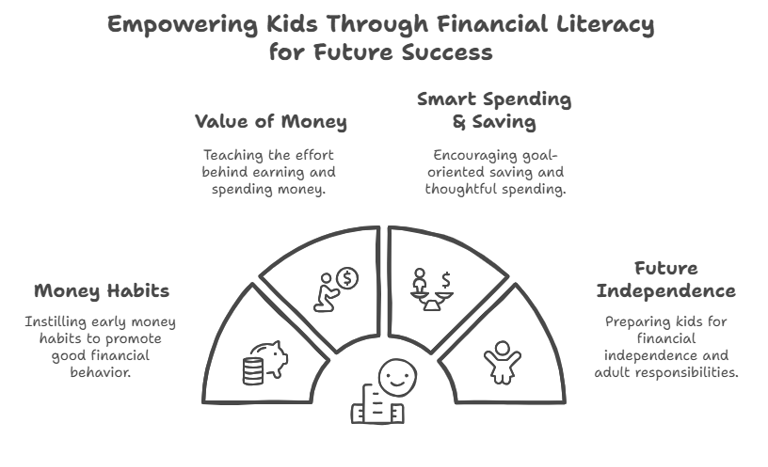
Builds Strong Money Habits Early
Research shows that money habits start forming as early as age seven. Teaching kids about saving, budgeting, and spending wisely helps instill good financial behavior from a young age.Teaches the Value of Money
In an increasingly digital world where cash is rarely used, children may not grasp the concept of earning and spending money. Teaching them financial literacy ensures they understand how money works, the effort required to earn it, and how to use it wisely.Encourages Smart Spending and Saving
Kids who learn about financial responsibility early are more likely to save for goals rather than spend impulsively. Learning delayed gratification and goal-setting through savings accounts or piggy banks can shape their long-term financial mindset.Prepares for Future Financial Independence
Financially literate children grow up to be independent adults who can manage their finances effectively. Teaching kids about earning, investing, and financial planning prepares them for adult responsibilities like paying bills, managing debt, and planning for retirement.
Why Financial Literacy is Important for Parents
Helps in Managing Household Finances
Parents juggle multiple financial responsibilities, from paying bills and managing loans to saving for their children’s education and retirement. Financial literacy enables parents to make informed decisions about budgeting and expense management.Prevents Debt and Financial Stress
Many families struggle with debt due to poor financial planning. Understanding credit, interest rates, and budgeting can help parents avoid financial pitfalls, reduce stress, and provide a secure future for their children.Sets a Positive Example for Kids
Children learn best by observing their parents. If parents practice good money management, their kids are more likely to adopt responsible financial behaviors as they grow.Prepares for Emergencies and Long-Term Goals
Financial literacy helps parents build emergency funds and plan for long-term goals, such as home ownership, higher education, and retirement. Being prepared ensures financial stability even in uncertain times.
How Parents Can Teach Financial Literacy to Kids
Start Early: Introduce money concepts through allowances, piggy banks, or games.
Make It Practical: Let kids participate in real-life financial decisions, such as grocery shopping within a budget.
Encourage Savings: Teach them to set aside money for goals and unexpected expenses.
Discuss Financial Topics: Talk openly about money matters, such as earning, saving, and investing.
Use Digital Tools: Leverage apps and online resources to make learning about money fun and interactive.
Final Thoughts
Financial literacy is a lifelong skill that benefits both kids and parents. By fostering good financial habits early and leading by example, parents can empower their children to make sound financial choices and build a secure future. The sooner financial education begins, the better prepared families will be to navigate the complexities of money management with confidence.
Are you ready to start your financial literacy journey with your child today?